Navigating Menopause Without Hormones
When I first started experiencing perimenopause in my late forties, I assumed hormone therapy was my only real option. My mother had used it, my friends were considering it, and every article I read seemed to push it as the standard solution. But after a few conversations with my doctor and some honest reflection on my own health history, I realized I wanted to explore other paths. That is when I started looking seriously into non-hormonal menopause support.
The idea of managing hot flashes, vaginal dryness, and disrupted sleep cycles without estrogen or progesterone felt almost radical at first. But as I dug deeper, I found a wide range of approaches that worked with my body instead of overriding it. Some of these were lifestyle changes. Others involved specific nutrients and botanicals that had solid research behind them. What mattered most was that I could tailor the approach to my own needs, without committing to a medical intervention I was not entirely comfortable with.
Why Women Seek Non-Hormonal Options
For many women, the decision to avoid hormone therapy comes down to personal risk factors or simply a preference for a more natural route. Some have a family history of breast cancer or blood clots. Others find that hormone therapy does not sit well with their system, causing side effects like bloating, mood swings, or migraines. And some just want to try a gentler approach first, especially during the early stages of perimenopause when symptoms are still variable.
The beauty of non-hormonal menopause support is that it addresses the root causes of symptoms without altering your hormonal balance. Hot flashes, for example, are closely tied to the brain's temperature regulation center. Certain plant compounds and supplements can help stabilize that response. Similarly, vaginal dryness often stems from declining estrogen, but topical moisturizers, lubricants, and specific nutrients can improve tissue health without introducing systemic hormones.
Botanicals and Herbs That Actually Help
One of the first things I tried was black cohosh. It is a herb native to North America, long used by Indigenous peoples for women's health. Modern studies suggest it can reduce the frequency and severity of hot flashes, likely because it binds to serotonin receptors in the brain. I took it for three months and noticed a clear difference, though it was not a miracle cure. It worked best when combined with other strategies.
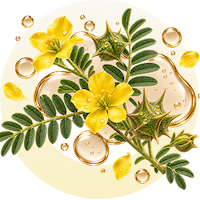
Another herb I came across was red clover. It contains isoflavones, which are plant compounds that mimic estrogen mildly in the body. For women who cannot take actual estrogen, red clover can offer a softer alternative. I found it helpful for nighttime sweating, though it took about six weeks to feel the effect. Not every woman responds the same way, so it is worth trying one at a time to see what resonates with your system.
Ashwagandha is an adaptogen that I had already been using for stress, but I learned it also supports adrenal function. During menopause, the ovaries produce less estrogen, and the adrenal glands try to pick up some of the slack. Ashwagandha can help those glands function better, which may reduce anxiety and improve energy. It is not a direct fix for hot flashes, but it addresses the overall stress load that can worsen symptoms.
Key Nutrients for Menopause
Beyond herbs, certain vitamins and minerals play a critical role in managing symptoms. Magnesium is one I cannot recommend enough. It supports sleep cycle regulation, muscle relaxation, and mood stability. I started taking magnesium glycinate before bed and my sleep quality improved noticeably within a week. It is especially useful for women who experience restless legs or nighttime cramps.
Vitamin D is another essential. As we age, our ability to synthesize vitamin D from sunlight declines, and low levels are linked to worse mood and bone loss. I had mine tested and found I was deficient, so I started a daily supplement. Within a few months, my energy levels felt more consistent and my joint pain eased. It is a simple step that pays off.
Omega-3 fatty acids, particularly EPA and DHA, are known for their anti-inflammatory effects. They also support brain health, which is relevant because many women report brain fog during menopause. I take a high-quality fish oil, but vegan supplements derived from algae are also effective. Omega-3s can help with dry skin and eyes too, which is a common but underdiscussed symptom.
Probiotics deserve a mention as well. Gut health influences estrogen metabolism, and a balanced microbiome can help regulate how your body processes hormones. I rotate between a few different strains, focusing on Lactobacillus and Bifidobacterium. They have helped with bloating and digestive regularity, which became more of an issue for me in my late forties.

Lifestyle Approaches That Work
Supplements are only part of the picture. I found that combining them with targeted lifestyle changes gave me the best results. Yoga became a non-negotiable part of my week. The combination of stretching, deep breathing, and mindfulness helped me tolerate hot flashes better. I stopped reacting to them with panic, and they seemed to pass faster. Yoga also improved my sleep cycle, probably because it lowers cortisol levels before bed.
Acupuncture surprised me. I tried it after a friend swore it helped her night sweats. The research is mixed, but I found that regular sessions reduced the intensity of my hot flashes. The acupuncturist explained that certain points on the ear and wrist influence the hypothalamus, which controls body temperature. Whether it was placebo or real, I felt better, and that counts for something.
CBT-I, or cognitive behavioral therapy for insomnia, is a structured program that targets the thoughts and behaviors that disrupt sleep. I worked through an online module over eight weeks. It taught me to reset my sleep cycle without relying on melatonin or other sedatives. The techniques, like stimulus control and sleep restriction, were hard at first but eventually rebuilt my ability to fall asleep naturally. For women who wake up multiple times a night due to hot flashes, CBT-I can be a game-changer.
Dietary Fiber and Intimate Health
One thing I wish I had known earlier is how much dietary fiber matters during menopause. Fiber helps regulate blood sugar, which can affect mood and energy swings. It also supports estrogen excretion through the bowel, which may reduce the risk of estrogen dominance. I increased my intake of flaxseeds, chia seeds, and vegetables, and noticed that my digestion improved and my hot flashes became less intense after meals.
Vaginal dryness is another symptom where diet plays a role. Staying hydrated is obvious, but adding healthy fats like avocado and nuts can improve tissue elasticity. I also use a water-based lubricant during intimacy, which makes a huge difference. For daily comfort, a good moisturizer designed for intimate health can prevent irritation. These are simple non-hormonal steps that many women overlook.
Putting It All Together
What I have learned through my own journey is that non-hormonal menopause support is not a single product or pill. It is a collection of strategies that work together. You might take magnesium at night, use black cohosh during the day, practice yoga in the morning, and see an acupuncturist once a month. The key is to pay attention to what your body tells you and adjust as needed.

I also learned that it is okay to change your mind. What works at forty-eight might not work at fifty-two. Menopause is a transition, not a fixed state. Being flexible with your approach and keeping an open dialogue with your healthcare provider is essential. If you have a history of hormone-sensitive conditions or simply prefer to avoid hormones, you have plenty of effective options. The research on botanicals, nutrients, and lifestyle interventions grows every year, and the conversation around menopause is finally opening up.
For me, the most important shift was realizing that I could take an active role in my own care. I no longer felt like a passive passenger on a rocky ride. I became the driver, choosing tools that aligned with my values and my body's needs. That sense of agency, more than any single supplement, made the biggest difference in how I experienced menopause.